
Montecchio Terracotta since 1700

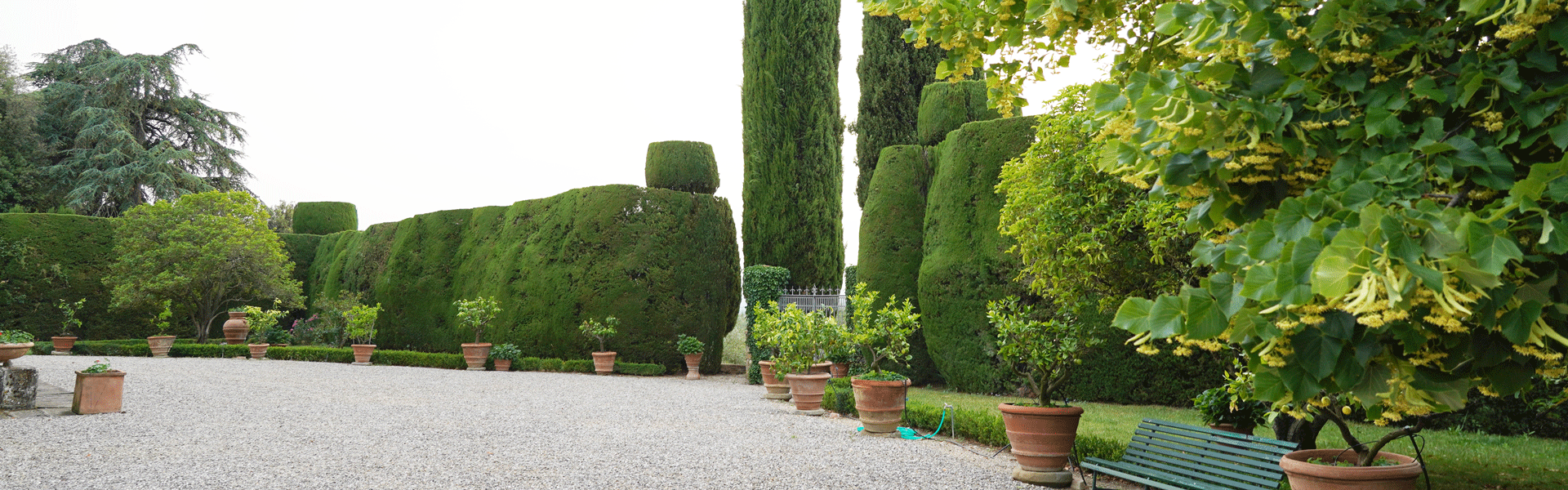
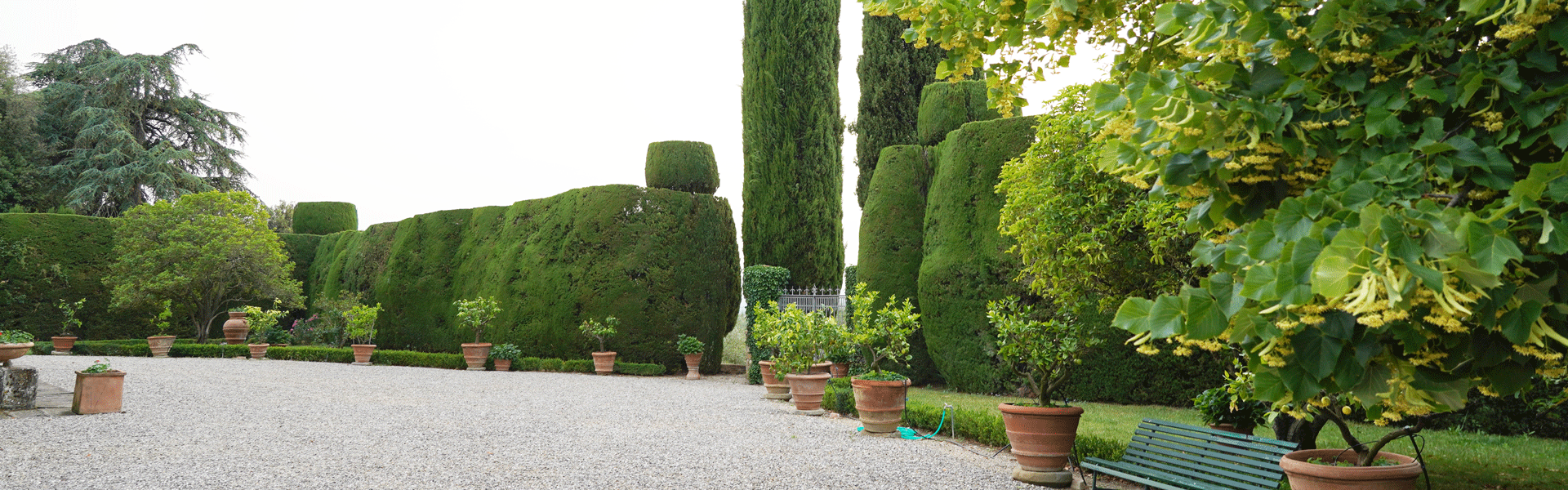
Once upon a time...
… the ancient kiln of Montecchio, where carefully selected clays, bricks, tiles, jugs and basins were mixed with the warm colors of autumn and the landscape. They were destined to decorate the most beautiful Tuscan villas. It was 1700... Since then, the secrets of working with Montecchio terracotta have been passed down from generation to generation, creating over the centuries a true dynasty of skilled craftsmen who love a tradition that has its roots in the Florentine Renaissance.
The ancient rituals of oils, presses and shapes of objects that have conquered the collective imagination are the origins of Montecchio's creations. They are memories of fragrant cellars and potters in the shadows, marked by the slight crunch of the gravel under your shoes.
Today...
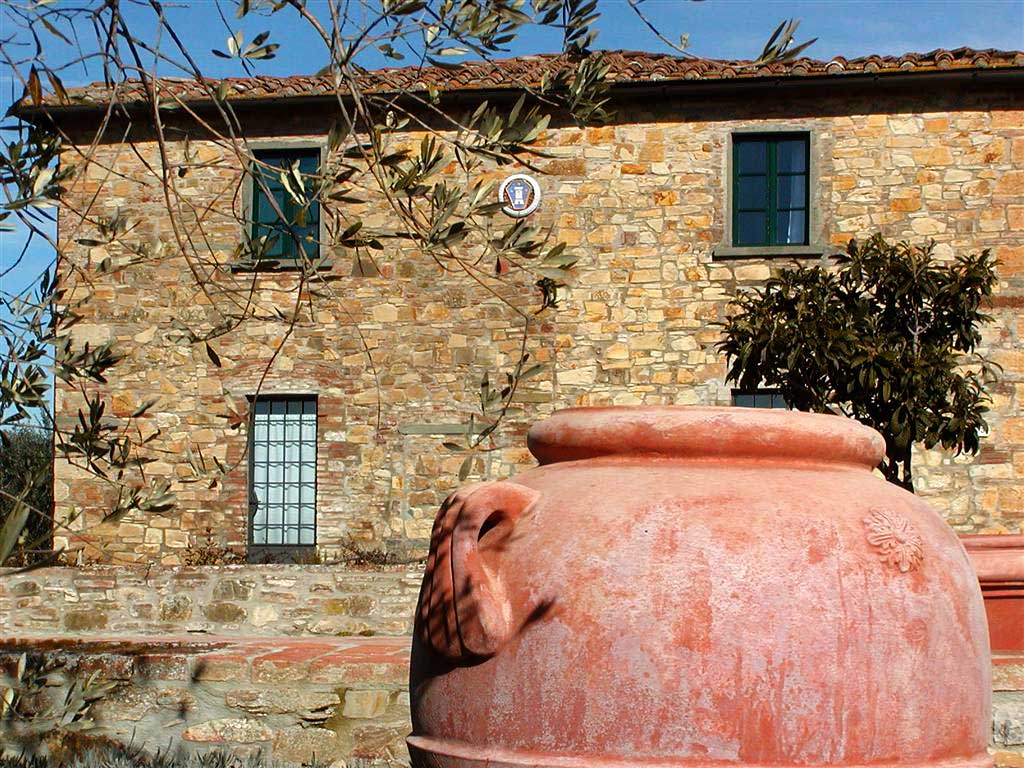
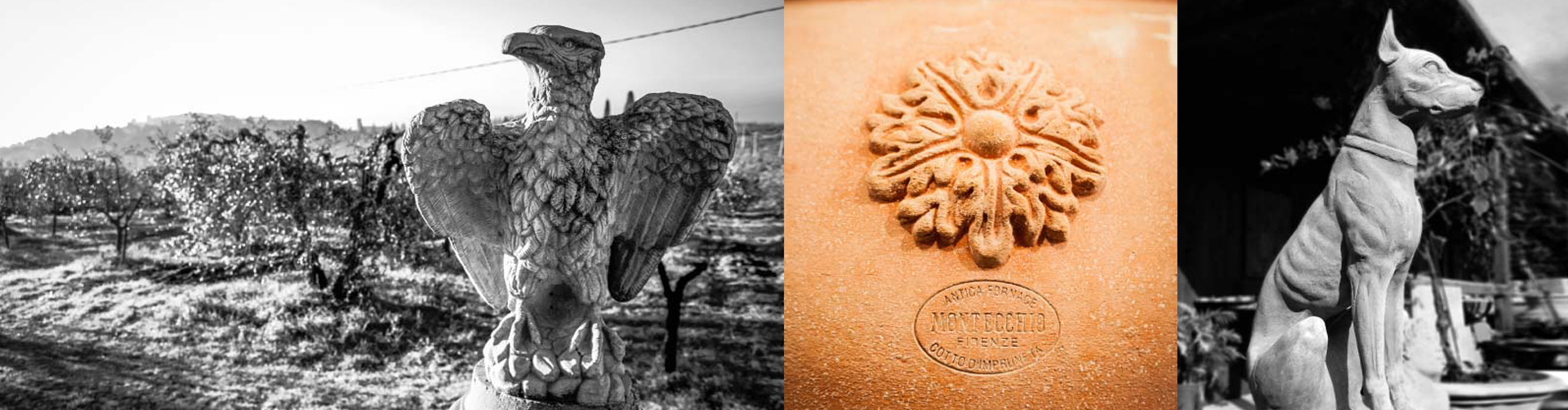
… our Impruneta terracotta products are still made in the heart of this ancient kiln: the process has been consolidated by centuries of experience, the result is unique pieces of great artistic value, endowed with timeless charm and beauty. The terracotta of Montecchio has its tradition in the same forms as those chosen by the Medici family to decorate the gardens of their villas: not only jugs, amphorae, basins, vases and vase holders, but also statues, decorative motifs and furnishings, have now become famous themselves and internationally, conquering all the most prestigious markets.
Production
"Earth - Water - Air - Fire" These four basic elements make up the working phases for the production of the famous "Cotto from Impruneta". First, the high-quality earth is finely ground and then kneaded with water (impastatura).
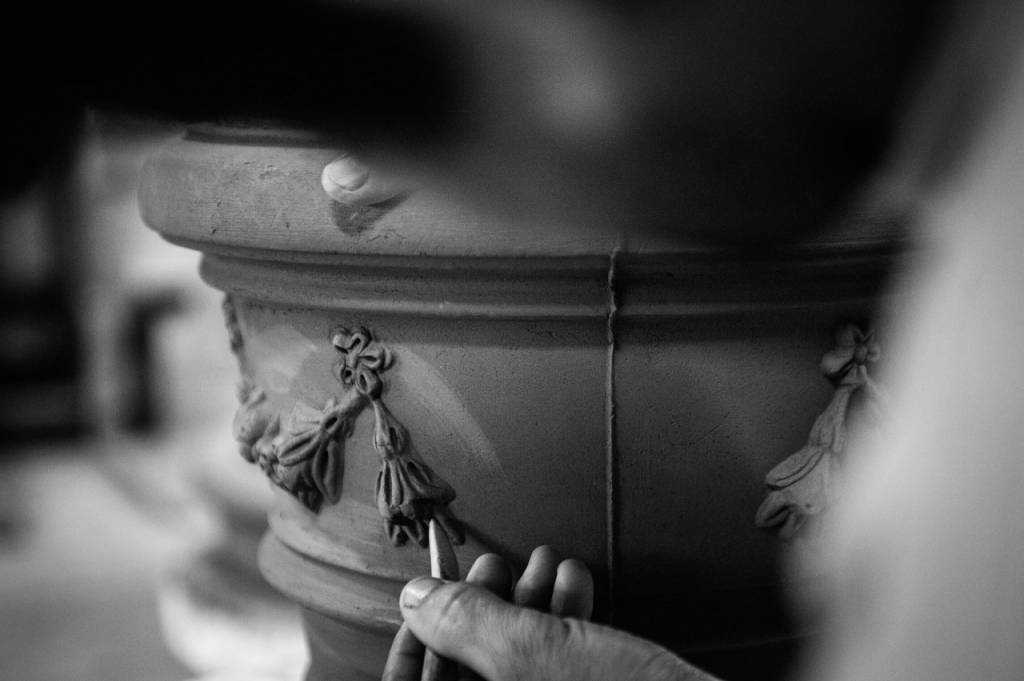
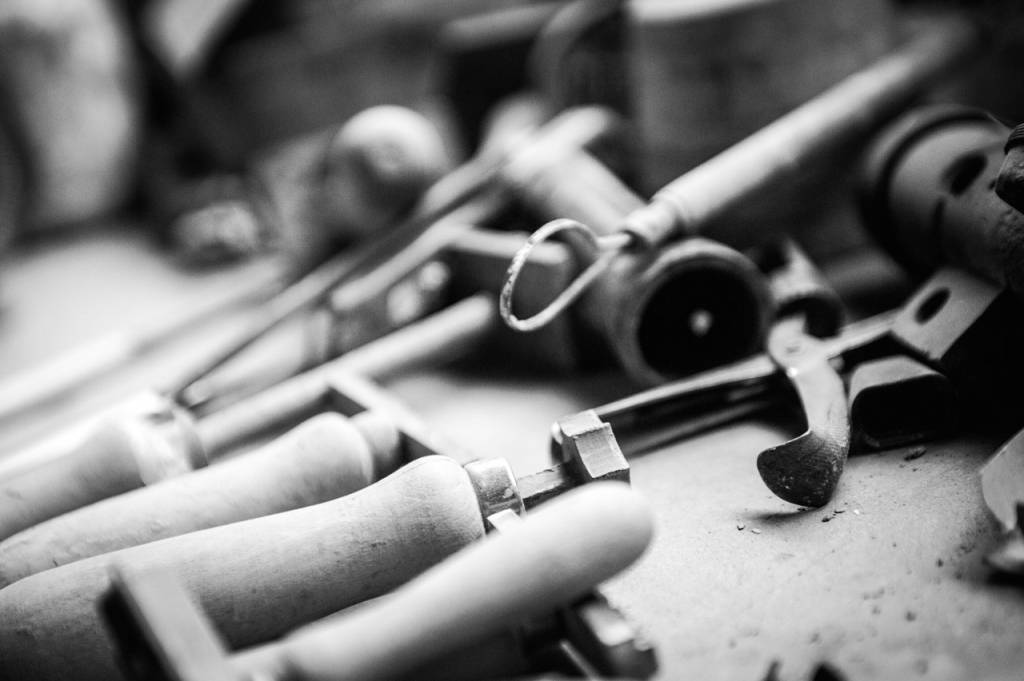
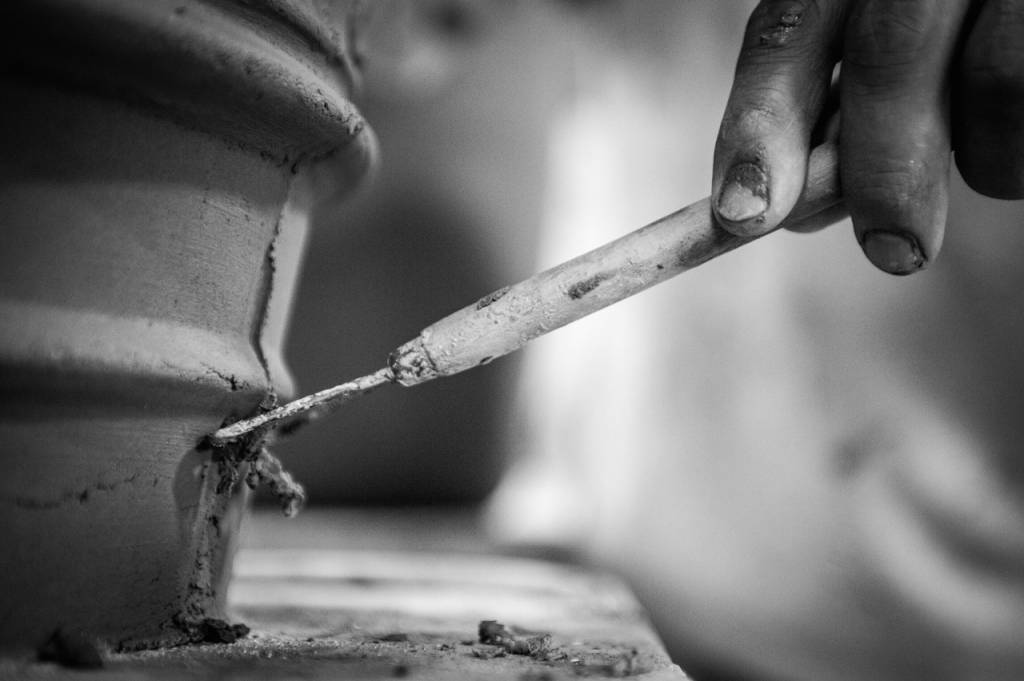
The clay is then modelled. Various techniques are used: the "calco", the "guscio", up to the great technique of building by hand, which gives irregularities to each piece made, making it unique. Unlike other areas, in Impruneta the construction is not carried out by hand on the turntable, but is worked according to the ancient method of "colombino". Here the potter turns around the pot and builds the vessel in a spiral with clay sausages ("lucignoli") placed on top of each other.
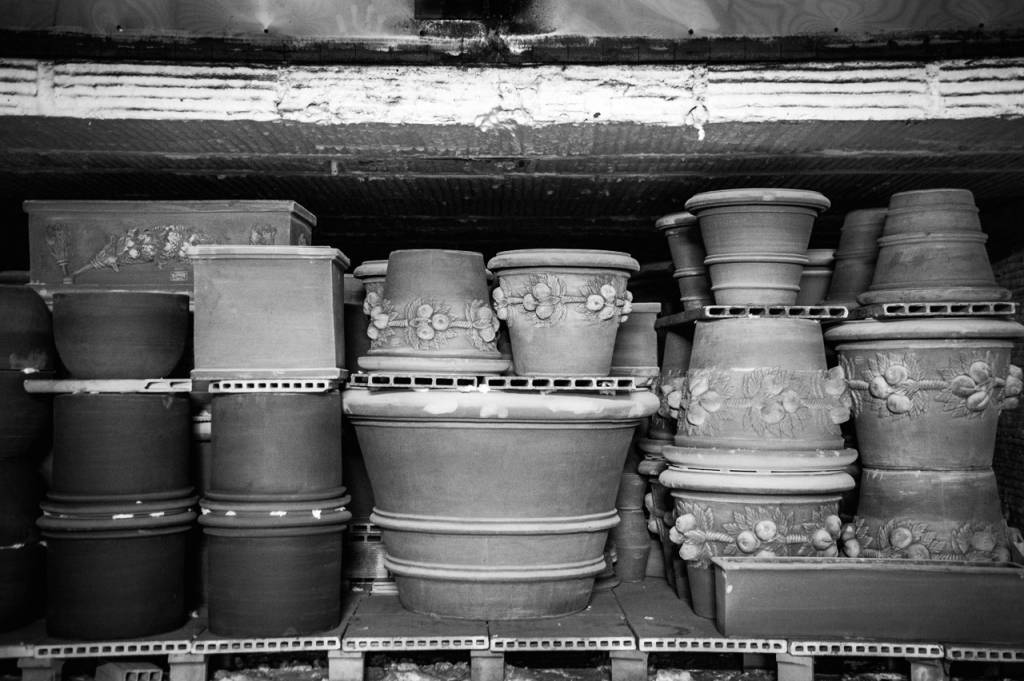
Drying of the Impruneta terracotta. The finished pot is then ready to dry. The water evaporates slowly and the size of the object is reduced by about 10%. The duration of the drying process depends on the season and the environment in which it is carried out.
The vessel is now fired. The firing process reaches a temperature of 1000°C and lasts until it cools down completely when the oven is closed. After this firing phase of about 75 hours is completed, each object is immersed in water again. In this way, a long shelf life and a high resistance to frost and salty air is guaranteed.